

Blog
Is Invisalign suitable for adults or just teenagers?
A lot of adults assume the moment for straightening their teeth passed them by in their teens. They picture a mouth full of metal at a work meeting and quietly decide to live with the crowding or the gap. If that’s you, here’s the good news up front: Invisalign is very much an adult treatment, and adults often make some of the best candidates. As a Hammersmith practice offering clear aligners, we treat far more grown-ups than teenagers.
Key takeaway
- Invisalign works for both adults and teenagers. It isn’t age-limited, and plenty of patients start in their 30s, 40s, 50s and beyond.
- Adults often do very well with aligners because they wear them consistently. The trays only work if they’re in for around 20 to 22 hours a day.
- Treatment time depends on your case. Minor corrections can take 3 to 6 months, moderate cases 6 to 12, and complex ones 12 to 24 months or more.
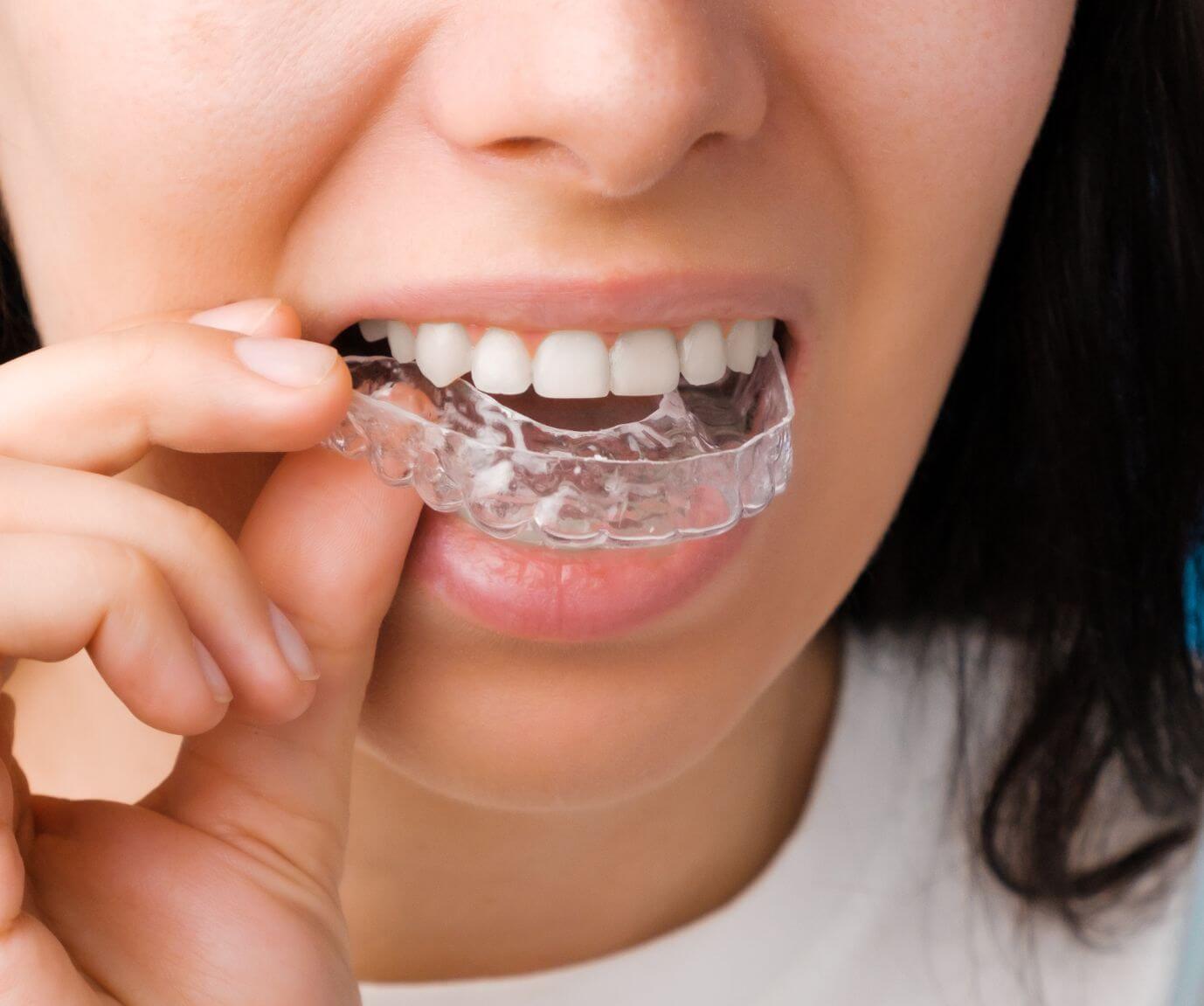
- Aligners are removable. You take them out to eat, to drink anything but water, and to brush, which is a big part of the appeal for adults.
- It isn’t right for every case. Severe alignment or bite problems may need fixed braces, and a face-to-face assessment comes first.
Why adults often make ideal candidates
There’s a pattern dentists notice. When you’re paying for treatment yourself, and you’ve actively chosen it, you tend to follow the plan. You keep the aligners in for the full day, you turn up to reviews, you don’t lose your retainers down the back of the sofa.
Teenagers, understandably, are a bit more relaxed about all that. So while adult teeth can technically take slightly longer to move, adult treatment often runs more smoothly and more predictably. Discipline beats biology more often than you’d think.
FAQ
Am I too old for Invisalign? No. There’s no upper age limit for clear aligners. What matters is the health of your teeth and gums, not the number on your birthday. Many adults straighten their teeth later in life, and adults often follow the plan more consistently than teens.
How long does Invisalign take for adults? It depends on the complexity of your case. Minor corrections can take around 3 to 6 months, moderate cases 6 to 12 months, and complex cases 12 to 24 months or longer. Wearing your aligners for 20 to 22 hours a day keeps treatment on track.
Does Invisalign hurt? Most people feel mild pressure or tenderness for a day or two when they switch to a new aligner, then it eases. It’s a sign the aligners are doing their job. It’s generally more comfortable than the tightening you’d get with fixed braces.
Can Invisalign fix any tooth problem? Not everyone. It handles a lot of mild to moderate crowding, spacing and bite issues well, but some severe cases are better treated with fixed braces or a combined approach. We’d tell you honestly at your assessment which option suits your situation.
How long will it actually take?
The honest answer is that it varies, and anyone who quotes you an exact figure before seeing your teeth is guessing. As a rough guide, minor spacing or crowding might be sorted in 3 to 6 months, moderate cases in 6 to 12 months, and more involved cases in 12 to 24 months. Your daily wear time is the single biggest factor you control.
Each set of clear aligners nudges your teeth a little further, and you move to the next set roughly every one to two weeks. You’ll see us for occasional checks to make sure everything is tracking as planned.
What life with aligners is really like
The removable part is what sells most adults on it. No food restrictions, because the aligners come out at mealtimes. Easier brushing and flossing than with fixed braces. And they’re clear, so most people won’t notice you’re wearing them across a meeting room.
A few honest trade-offs, though. You have to actually wear them all day and overnight, only taking them out to eat and clean. New aligners can feel tight or a little sore for a day or two as they get to work. And coffee lovers, take note. You remove them to drink anything other than water, or you risk staining the trays and trapping sugar against your teeth.
After treatment: the part people forget
Straightening the teeth is only half the job. Once they’re where you want them, they’ll drift back if nothing holds them, so you’ll wear a retainer, usually at night, to keep your new smile in place. Skip the retainer, and relapse is genuinely common. It’s not the exciting bit, but it’s what protects the result you paid for.
One thing worth knowing about the NHS route. Orthodontics on the NHS is mainly for under-18s with a clear clinical need, so adults rarely qualify, and clear aligners are usually private treatment. If you’re an adult considering Invisalign, a consultation is the place to start. Book in with our Hammersmith team, and we’ll assess whether it’s the right fit for your teeth and talk you through a realistic timeline.
Phone: 0208 846 8534 Address: 118-120 Hammersmith Road, Hammersmith, London, W6 7JP